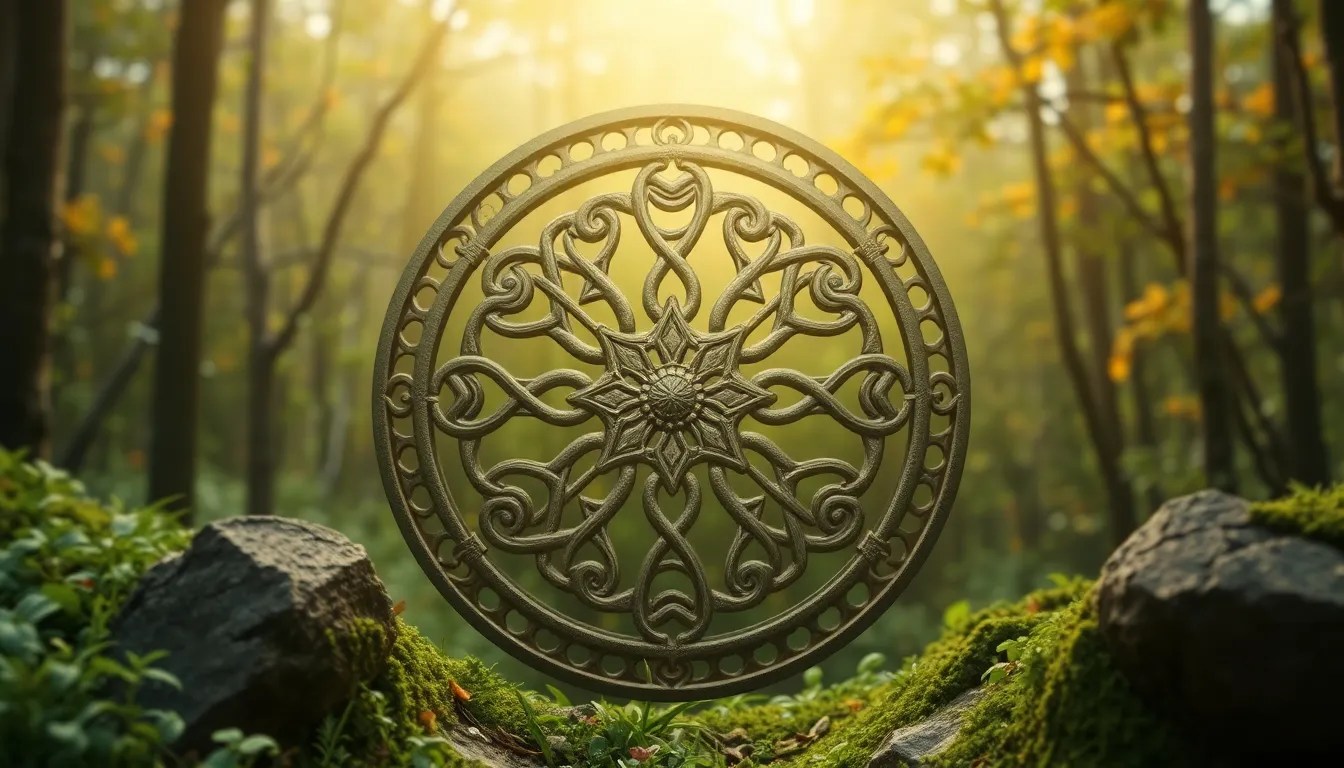
The Connection Between the Celtic Wheel and the Elements of Nature
I. Introduction
Celtic mythology is a rich tapestry of stories, beliefs, and symbols that have shaped the cultural landscape of ancient Celtic societies. It encompasses a wide range of deities, heroes, and mythical creatures, all intertwined with the natural world. At the heart of this mythology lies the Celtic Wheel, a profound symbol representing the cyclical nature of life, death, and rebirth.
This article aims to explore the relationship between the Celtic Wheel and the elements of nature: Earth, Water, Fire, and Air. By understanding this connection, we can gain deeper insights into the beliefs and values that defined Celtic spirituality.
II. Understanding the Celtic Wheel
The Celtic Wheel, often depicted as a circle divided into four quarters, is a significant symbol in Celtic culture. It represents the cyclical nature of existence, emphasizing the interconnectedness of life and the seasons.
The historical context of the Celtic Wheel can be traced back to ancient rituals and practices. It served as a guide for agricultural cycles, marking important seasonal changes and festivals.
- Spring Equinox
- Summer Solstice
- Autumn Equinox
- Winter Solstice
- Summer Solstice
Each quarter of the wheel corresponds to different aspects of life and nature, reinforcing the idea that all elements are interconnected.
III. The Elements of Nature in Celtic Mythology
Celtic mythology recognizes four classical elements: Earth, Water, Fire, and Air. Each element plays a crucial role in the natural world and is deeply woven into the fabric of Celtic beliefs.
Nature was revered in Celtic cultures, seen as a living entity filled with spirits and energies. The connection between these elements and the cycle of life is profound, with each element representing different phases of existence and experiences.
- Earth – Represents stability and nourishment.
- Water – Symbolizes emotion and healing.
- Fire – Embodies transformation and vitality.
- Air – Signifies thought and communication.
IV. The Earth Element and the Celtic Wheel
The Earth element is closely associated with the Winter Solstice, a time when the darkness reaches its peak and the cycle of life seems to pause. It symbolizes fertility, stability, and growth as the earth rests and gathers strength for the coming spring.
In Celtic mythology, the Earth is often personified through various deities and spirits, such as Danu, the mother goddess, who represents abundance and fertility.
Myths related to the Earth emphasize its nurturing qualities and its role in the cycle of life. For instance, the tale of the Green Man symbolizes the rebirth of nature and the eternal cycle of life.
V. The Water Element and the Celtic Wheel
Water is associated with the Spring Equinox, marking a time of renewal and awakening. It symbolizes healing, emotion, and the flow of life. The melting of winter’s ice signifies the start of new growth and the rejuvenation of the earth.
Water in Celtic mythology is often linked to various deities, such as Brigid, who embodies healing and purification. Sacred wells and rivers were believed to possess magical properties, serving as places of worship and reflection.
Mythological references to water highlight its vital role in life and transformation. For example, the story of the Well of Segais illustrates how water can be a source of wisdom and inspiration.
VI. The Fire Element and the Celtic Wheel
The Fire element corresponds to the Summer Solstice, a celebration of energy, passion, and transformation. Fire represents the height of life, bringing warmth and illumination to the world.
In Celtic lore, fire is often associated with deities such as Brigid and Lugh, who symbolize creativity and the life force. Festivals like Beltane are centered around fire, marking the transition into the peak of summer.
Tales and legends linking fire to the cycles represented in the Wheel often emphasize its dual nature—both a source of life and a destructive force. The story of the great fire of Tara, for example, showcases the power and significance of fire in Celtic culture.
VII. The Air Element and the Celtic Wheel
Air is connected with the Autumn Equinox, a time of change and reflection. It symbolizes intellect, communication, and the winds of change that sweep through life.
Celtic mythology often portrays air as the realm of the gods and spirits, facilitating communication between the mortal world and the divine. The goddess Aerach represents the breath of life and the winds that carry messages.
Myths illustrating the importance of air in Celtic cosmology often focus on the significance of communication and knowledge. The tale of the Battle of Moira exemplifies how the winds can shape destinies and alter the course of events.
VIII. Conclusion
The interconnectedness of the Celtic Wheel and the elements of nature is a testament to the ancient Celts’ profound understanding of life and the environment. Each element plays a vital role in the cycle of existence, reflecting the deep respect for nature that characterized Celtic spirituality.
These connections have endured through the ages, influencing modern Celtic spirituality and practices. As we continue to explore the rich tapestry of Celtic mythology, we uncover the timeless wisdom that remains relevant today.
We invite you to delve deeper into the world of Celtic mythology and discover the many layers of meaning that these ancient stories and symbols hold.


